 Harborlight Youth Arts
Astoria, Oregon / est. 2011 / free of charge
A studio
on the
waterfront.
Open to every kid in town. Free after-school and summer art programs for young people aged 11 to 18, taught by working artists who live here.
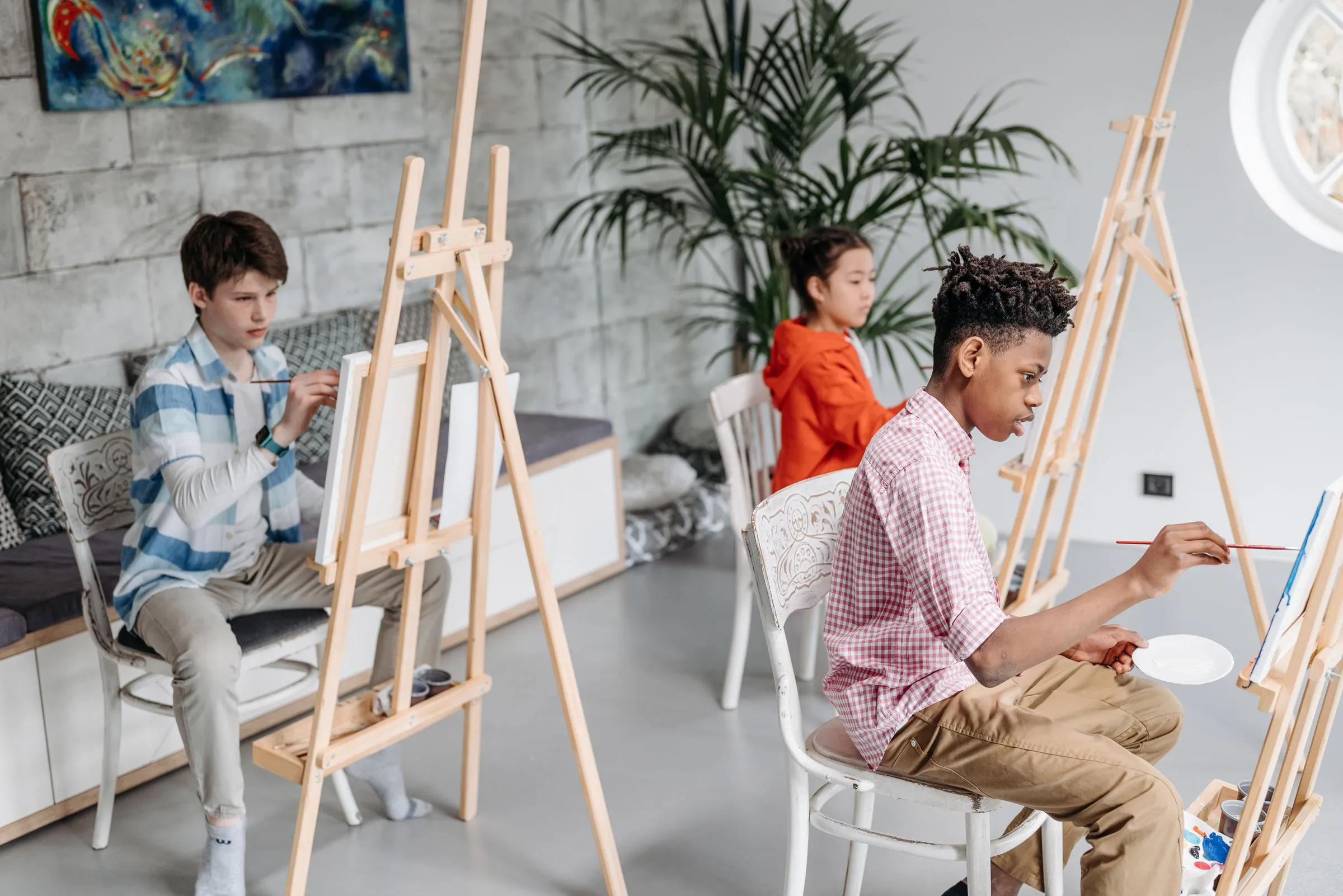
Astoria has about 2,400 young people and one art teacher shared across two schools. Families here should not have to choose between a kiln and a car repair, so we do not charge, we do not means-test, and we do not keep a waiting list we cannot clear.
What we run
All six programs →Harbor Studio
Drop-in after-school studio. Drawing, painting and ceramics, with materials and a hot meal provided every session.
Mon–Thu, 3–6pm Details →
Second Story Press
A teen printmaking and zine lab upstairs. Students set type, pull prints and publish two issues a year to the town.
Tuesdays, 4–7pm Details →
Tide Marks Apprenticeship
Six students a year are hired at $18 an hour to design and paint a public mural with a lead artist and the city.
Summer, 10 weeks Details →
Coming up
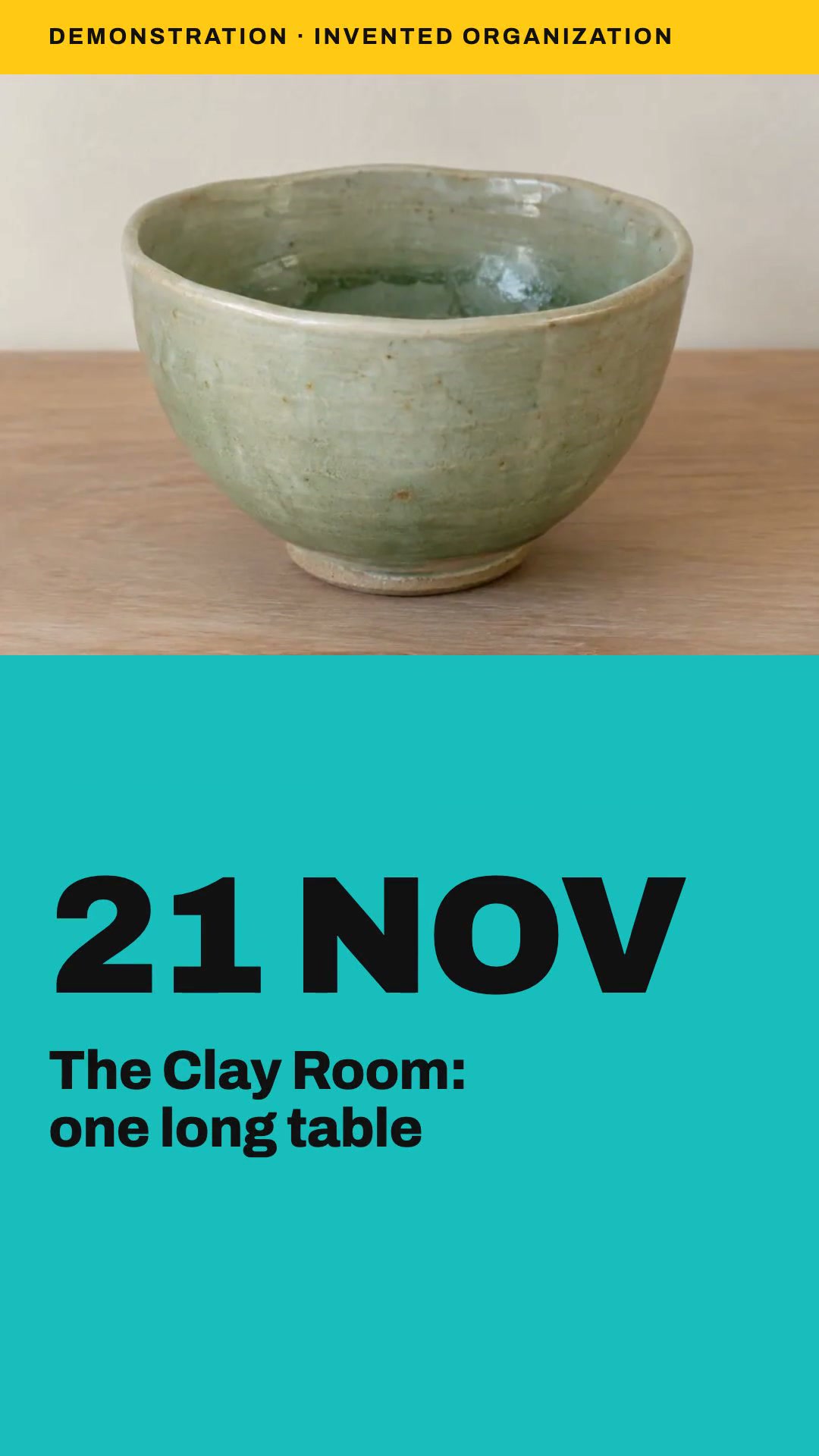
Every show →The Clay Room: one long table
Every bowl made in the autumn term, set out on one long table for an afternoon.
Harbor Studio, 418 Wharf Street
Free · everyone welcome
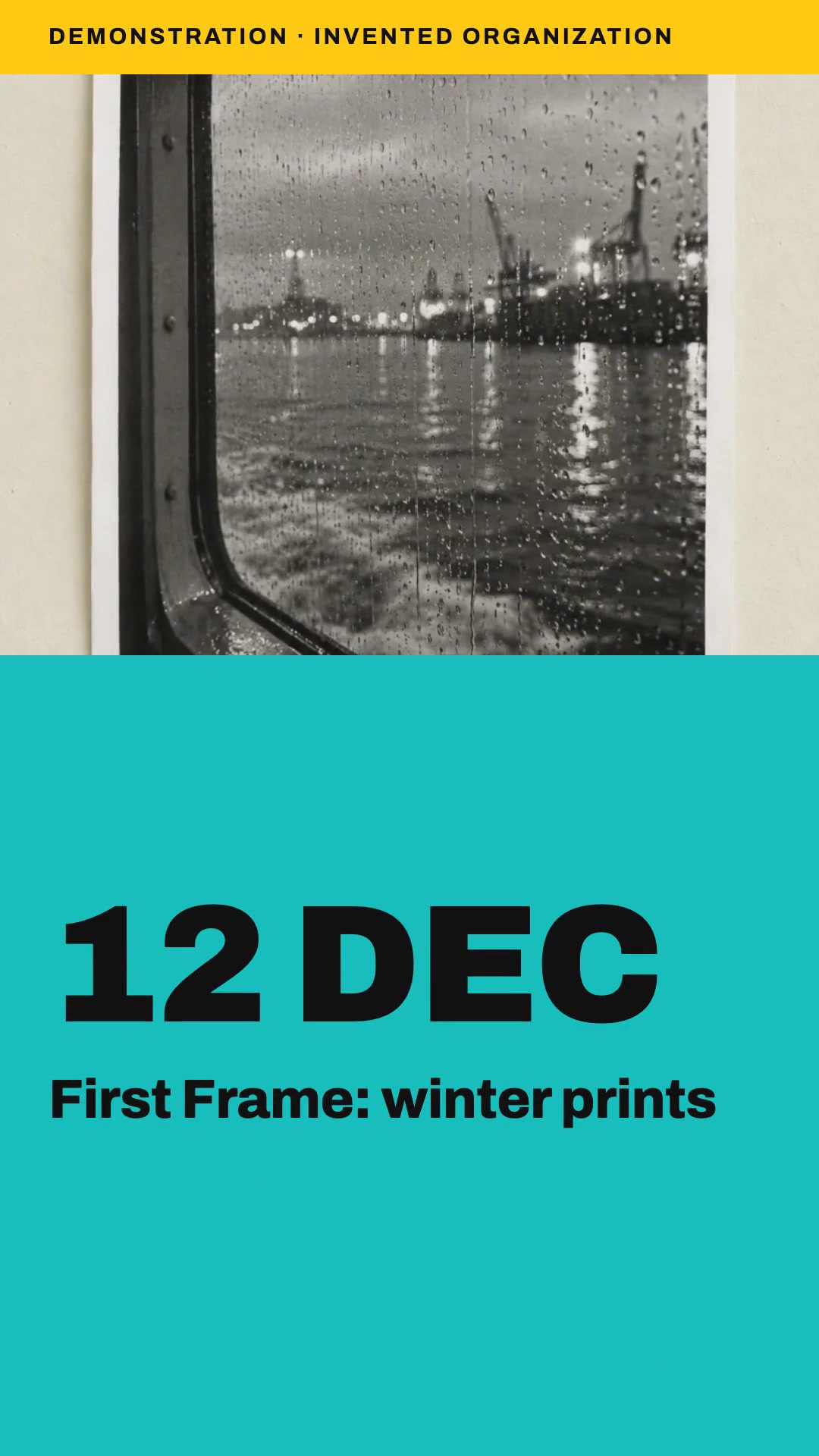
First Frame: winter prints
Forty black-and-white prints from the darkroom term, hung in the studio for one evening.
Harbor Studio, 418 Wharf Street
Free · everyone welcome
Where the money goes, in one minute
Sample video. Harborlight is invented, so it has no footage of its own: the clips are free stock (Pexels), no student is shown and no face appears, and the narration is a synthetic voice. For a real organization connectNPO uses only the photos and clips its staff send.
An afternoon on Wharf Street, six free programs, and what the year added up to — the same figures published on this site and in the sample Form 990: 1,140 young people, 38,400 studio hours, 81% of spending on the programs.
Made by connectNPO, who built this site. Up to five short videos a year are part of the plan.
What this demo shows
Demonstration · built by connectNPOHarborlight is invented. The features are real and working, and each one is an example of what connectNPO builds for nonprofits. Try them. Fourteen more sample sites, for other kinds of organization: a scholarship foundation →, a community theatre →, a youth center →, a youth soccer club →, a family counseling center →, an animal rescue →, a food pantry →, a free clinic →, a resource directory for older adults →, a house museum →, a domestic-violence services program →, a fair-wage program for farm workers →, a soil-cleanup program after wildfire → and a land trust →
An enrolment form that knows when a program is full
Pick Second Story Press and the form offers its waitlist instead. It checks every answer, and sends nothing.
Try the form →What search engines read
Titles, descriptions and structured data from every page, read live, with Google’s own test one click away.
See the search layer →Financials a funder can check
Form 990s, the audit and the exemption letter, free to download and filtered by year.
Open the filings →Pages staff update themselves
Shows and student work come from simple forms in WordPress. Past events drop off on their own.
See Shows →A give panel that explains the ask
Monthly or once, a tribute option, and what each amount pays for.
Try the panel →An accessibility statement that admits the gaps
What was tested, what has not been yet, and how to report a problem.
Read the statement →Volunteering with the safety steps in view
Each role says whether it involves young people, shows list the shifts still open, and the form asks for nothing sensitive.
See volunteering →A dashboard that tells staff what needs attention
One menu holds every tool staff use, with a tile for each. It flags events about to run out, open shifts before a show and photos with no alt text. In January it gathers every donor’s year-end giving statement, ready to send.
Open the staff preview →Signs you in to the real staff area with sample content. No password, and nothing you change is saved.
See the statements screen →A 60-second video made from this site
Every line and number in it comes from these pages: the 2011 story on About, the Part IX split on Donate. People appear only as linocut illustrations; illustrations, scenes and music are AI-generated.
See the event teasers →Text version of the video
- Photograph: the studio building on a rainy wharf. “Astoria, Oregon.”
- “About 2,400 young people. One art teacher, shared across two schools.”
- “Free · ages 11–18. A studio on the waterfront. Open to every kid in town.”
- Photograph: the empty studio. “2011 · A room above the old net loft. Nineteen students came the first week.”
- Linocut: a teenager at a potter’s wheel with a teacher. “The kilns, the press, the darkroom. They arrived one grant at a time.”
- Linocut: two teenagers pull a print from a press. “2022 · The press arrives. Students now publish two issues a year.”
- Linocut: three teenagers paint a wave mural on the wharf. “2025 · Six students hired to paint a public mural. $18 an hour. A job, not a class.”
- A number counts up: “1,140 young people in 2025.” Sample figures, year ended 31 Dec 2025.
- A bar split into programs 81%, management 12% and fundraising 7%. “Straight from Part IX of our Form 990. Read the filing.” Sample — not a real IRS filing.
- “One student, one year: $524. Or $44 a month.”
- Linocut: families at an evening student show. “Families pay none of it.”
- The building again, from further back. “Other people do.”
- End card: links to Donate and Enrol, and the demonstration notice.
418 Wharf Street, Astoria, OR 97103
501(c)(3) public charity · EIN 00-0000000